Journal of Current Oncology and Medical Sciences | Vol. 6, No. 2
eISSN: 2783-3127
Hepatitis B and hepatitis C viruses in the development of hepatocellular carcinoma and molecular mechanisms of carcinogenesis
Aida Abbasi 1*, Arefeh Zabeti Touchaei 2
1 Department of Microbiology, School of Medicine, Guilan University of Medical Sciences, Rasht, Iran
2 Department of Chemistry, Lahijan Branch, Islamic Azad University, Lahijan, Iran
Corresponding Author: Aida Abbasi | Email: aida.abbasi67@gmail.com
Received: 2026.3.1., Accepted: 2026.6.12
Abstract
Death from liver cancer spreads wide, mainly fueled by persistent hepatitis B or C infections. Not alike in origin, yet both viruses twist liver cell routines - genetically, operationally - to spark malignancy. One truth stands: differences matter, even if outcomes feel similar. HBV stores data in DNA; worms its way into human genetic code; produces HBx, a disruptor nudging cells off balance. HCV operates through RNA instead; skips integration but stirs harm anyway - endless strain inside cellular zones, oil pooling in tissue, inflammation humming nonstop. Paths cross here: both mess with core signaling lines - MAPK/ERK, PI3k/Akt, Wnt/β-catenine - and mute built-in brakes such as p53 meant to stop runaway growth. Modern fixes exist: antivirals like DAAs and nucleos(t)ide copies cut risk for hepatocellular carcinoma. Still, shadows linger - the indestructible cccDNA form of HBV, plus lingering reprogramming of gene switches fixed wrong. Fresh tracks appear: molecular scissors including CRISPR-Cas9 adjust faulty blueprints right at source. Some trials probe custom therapies shaped molecule by molecule; others trial shields trained on cancer’s own markers. Understanding deepens - not fast, not clean - with every shift in approach.
Keywords: Hepatocellular Carcinoma (HCC), Hepatitis B Virus (HBV), Hepatitis C Virus (HCV), Oncogenesis, HBx, Epigenetic Modifications, Targeted Therapy
Introduction
The Worldwide Issue of Hepatocellular Carcinoma (HCC)
Hepatocellular carcinoma (HCC), one of the most common and deadliest cancers in the world, is a major public health problem. Due to the high mortality and poor results in advanced stages, understanding the underlying molecular mechanisms is essential to develop effective diagnostic, therapeutic and preventative approaches. Among the many risk factors associated with HCC, persistent hepatitis B virus (HBV) and hepatitis C virus (HCV) infection are key and account for a significant proportion of the global HCC cases. Although they come from different virus families, both viruses cause permanent damage to the liver and coordinate complex molecular mechanisms that ultimately lead to hepatocellular carcinoma. The objective of this review is to provide comparative elucidation of the molecular mechanisms underlying pathogenesis of HBV and HCV and to provide a detailed analysis of the development of viral infection into HCC.
Worldwide Prevalence of HBV and HCV
Chronic HBV and HCV infection is a major burden on healthcare systems worldwide. Chronic HBV infection, the leading cause of viral hepatitis worldwide, leads to hundreds of thousands of deaths from cirrhosis and hepatitis every year, particularly in high prevalence regions such as East Asia and Sub-Saharan Africa[cite: 2]. Interaction with blood and bodily fluids is one of its major modes of transmission. HCV, although it has had some success with direct-acting antiviral agents (DAAs), which have achieved a sustained virologic response rate of more than 95 percent[cite: 2], still affects millions of people worldwide and is the leading cause of cirrhosis and hepatic carcinoma. The advent of DAAs has transformed HCV from a long-term progressive disease into a curable infection; however, there is still an increased incidence of HCV in patients with advanced fibrosis or cirrhosis, even after viral clearance[cite: 2]. The primary route of transmission of HCV is through blood, mainly through shared needles and unsafe medical practices.
HBV Pathogenesis: From Infection to Cancer Development
HBV, a DNA hepatitis virus, uses complex techniques to cause liver damage and to facilitate the development of cancer. Once in hepatocytes, the viral genome is arranged in a circular structure in the nucleus of the host cell in a form called covalent closed DNA (ccDNA) that is retained as a stable mini-chromosome[cite: 2]. This cDNA serves as a template for transcription of the viral genome, producing important viral proteins such as HBsAg (surface antigen), HBcAg (core antigen), HBeAg (e antigen), and, more importantly, HBx (multiple-functional protein). HBx is key to the development of cancer by altering the signalling pathways of host cells, preventing apoptosis, disrupting the cell cycle and helping the DNA damage response, thereby promoting malignancy[cite: 2]. Recent structural and mechanistic research has clarified HBx's involvement with host factors by manipulating the ubiquitin protease system, in particular by binding to E3 ligases and removing antiviral mediators[cite: 2]. In addition, chronic HBV infection is associated with direct encoding of HBV DNA in the host genome, which occurs both at the early and late stages of the disease[cite: 2]. This integration can lead to insertional mutagenesis, suppression of host essential genes, formation of fusion proteins, or activation of cell oncogenes, which directly contribute to genomic instability and the development of tumours[cite: 2].
HCV Pathogenesis: Inflammatory and Molecular Mechanisms
HCV, which belongs to the Flaviviridae family, has unique mechanisms of promoting hepatic disease and progression of hepatic cell carcinoma. The HCV genome encodes one precursor of the polyproteins that are subsequently cleaved by viral and host proteases into structural (P7, P1, P2) and non-structural (P7, P3, P4A, NS4B, NS5A, NS5B) proteins. Non-structural proteins, in particular NS3A (a protease and helicase complex), NS5A (a protein involved in RNA replication and cellular signalling) and NS5B (RNA-dependent RNA polymerase) are critical in the replication process of viruses. Unlike HBV, HCV does not usually enter the host genome. However, persistent HCV infection leads to persistent inflammation of the liver, stress on the endoplasmic reticulum (ER) and damage to non-structural proteins[cite: 2]. These elements, combined with inadequate immune responses, create a pro-oncogenic environment, which promotes liver damage, fibrosis, cirrhosis, and ultimately, hepatic carcinoma of the cervix.
Chronic Pathogenesis and Advancement to HCC: The Associated Link
Chronic HBV and HCV infection goes beyond direct viral damage and triggers a number of pre-malignant stages through persistent inflammation in the liver. Chronic inflammation, mediated by release of pro-inflammatory cytokines such as TNF-alpha and IL-6, causes damage to the hepatocytes, necrosis and permanent liver remodelling. This constant renewal process, combined with fibrosis (build-up of collagen and extracellular matrix), may lead to severe fibrosis and cirrhosis, which are major risk factors for HCV. Oxidative stress due to persistent inflammation and viral activity aggravates DNA damage and increases the risk of genetic mutation.
In addition, persistent viral infection weakens both the innate and adaptive immune response in the liver, reducing the host's ability to eliminate newly formed cancerous or pre-cancerous cells. What matters is that this progress is driven by abnormal activation of essential cellular signaling pathways involved in cell growth and survival. Pathways such as Wnt, JAK, TGF-beta, and MAPK, which are normally involved in maintaining the homeostasis of the liver, become impaired and persistently active during chronic HBV and HCV infection. This abnormal activation promotes cell growth, suppresses apoptosis and eventually creates a favourable environment for tumour growth.
Connections Between Viral Replication Cycles and Carcinogenesis
The replication pathways of HBV and HCV are critical to their pathobiological development and are the triggers of cancer progression. In HBV, the formation of cccDNA in the nucleus of hepatocytes and subsequent transcription to viral proteins promote synthesis and transcription of the genome[cite: 2]. This integration, which may occur in host essential genes, has a lasting effect on the expression of host genes and directly contributes to genomic instability and the development of tumours. Recent long-read sequencing research has revealed the diversity and complexity of HBV transcriptomes, which are composed of both episomal and integrant variants, with different promoter activity in cccDNA and integrants influencing the efficacy of epigenetic modulators[cite: 2].
Despite antiviral therapies that inhibit replication of HBV, the risk of developing HCC persists due to genomic integration and persistent epigenetic changes[cite: 2], underlining the difficulty of achieving a true cure with current antiviral therapies[cite: 2]. In contrast, HCV duplicates its RNA genome in the cytoplasm, causing stress on the endoplasmic reticulum (ER) and reducing the activity of non-structural proteins. These proteins, particularly NS5A, have a direct effect on the cellular signalling pathways and induce epigenetic changes[cite: 2]. These changes, such as methylation patterns in DNA and histone modifications, interfere with the expression of genes that are necessary for cell cycle regulation, apoptosis and DNA repair, and thus indirectly contribute to carcinogenesis.
Untackled Knowledge Deficiencies in HBV/HCV Pathogenesis
Despite significant progress, our understanding of the pathogenesis of HBV and HCV, in particular their complex interactions with host cells and the ongoing risk of HCC, is still poor. The key issue is the intrinsic oncogenic capacity of HBV without significant chronic inflammation; it is not yet known whether HBV independently induces the malignant transformation without the need for chronic inflammation. In addition, recent findings on the interaction between HBx and DDB1 and the restriction mediated by TRIM25 have partially clarified the precise ways in which HBx interacts with the host genome and influences key cellular pathways[cite: 2].
The persistence of HCV-related risk despite eradication highlights the significant knowledge gap; contributing factors may include persistent epigenetic changes, prolonged activation of pro-oncogenic pathways and persistent fibrosis[cite: 2]. In addition, the combined or antagonistic effects of co-infection (e.g.HBV/HDV) on fibrosis progression and HCC development are recognised as significant; co-infection with hepatitis D virus and HBV has been classified as a carcinogenic group 1 disease agent[cite: 2]. The interaction between viral hepatitis and metabolic dysfunction-associated steatotic hepatic disease (MASLD) in the promotion of progression of HCV also merits further investigation[cite: 2].
Aim of this Review
The review aims to fill the knowledge gaps identified in understanding the pathogenesis of HBV and HCV by offering a thorough comparative study of their molecular mechanisms. The aim of this research is to provide new insights by methodically assessing the role of viral proteins in the development of cancer, analysing the common and unique mechanisms by which these viruses promote HCC, and integrating existing knowledge on persistent risk factors after treatment and the impact of co-infection. Finally, we aim to highlight innovative therapeutic and preventive approaches that will provide an important contribution to existing efforts to address HBV and HCV related HCC.
1. Molecular Mechanisms of Oncogenesis Caused by HBV and HCV
1.1 Summary of Viral Cancer Development
The mechanism of viral carcinogenesis involves complex interactions between chronic viral infection, prolonged inflammation, oxidative damage and disruption of cellular signalling pathways. In the liver, these mechanisms combine to create an environment conducive to harmful changes. Both HBV and HCV use host cell machinery to maintain viral persistence, while simultaneously inducing genetic and epigenetic changes that interfere with the normal balance of cell growth and apoptosis.
Over time, this persistent interference leads to the clonal growth of pre-neoplastic hepatocytes, which in turn sets the stage for the development of HCC by the DNA virus HBV, which integrates its genome into host DNA and expresses oncogenic proteins such as HBx, indirectly inducing oncogenesis. Despite their key differences in viral genome structure and replication process, HBV and HCV share many common molecular pathways leading to malignant transformation.
1.2 Essential Cellular Pathways in Hepatocarcinogenesis Induced by Viruses
HBV and HCV-induced HCC are characterised by disruption of key intracellular signaling pathways that are necessary to maintain the hepatocyte balance[cite: 2]. The most important pathways are: MAPK, ERK and PI3K-Akt pathways, which are activated by HBV and HCV and promote survival and spread[cite: 2]. HBx and HCV core proteins stimulate ERK and Akt phosphorylation, which promotes cell proliferation and inhibits apoptosis. Recent research has identified these routes as potential targets for innovative therapeutic approaches[cite: 2].
- Wnt pathway: Abnormal activation of the Wnt signaling pathway is frequently observed in HCC patients[cite: 2]. Viral proteins may increase the stability of beta-catenin, leading to its accumulation in the nucleus, where it facilitates transcription of oncogenes involved in cell growth and stem cell survival. In particular, certain HBV intracellular interactions related to genes such as MLL4 and TERT activate these pathways, leading to unique functional results[cite: 2].
- JAK and STAT signalling: Ongoing viral infection induces the continuous activation of JAK and STAT signalling, in particular by IL-6 and STAT3[cite: 2]. This activates genes that promote cell survival, inflammation and fibrosis, creating a pro-oncogenic microenvironment. New findings highlight the importance of this route for immune tolerance and T-cell fatigue[cite: 2].
- TGF-beta and p53 pathways: Both virus-derived compounds interfere with tumour suppression pathways[cite: 2]. HBx inhibits the p53 tumor suppressor and damages apoptosis and DNA damage responses. In later stages, continued inflammation causes increased TGF-beta expression, which facilitates epithelial mesenchymal transition (EMT) and fibrosis, two key processes in the development of cancer. The interaction between HBx and TGF-beta has become a key regulatory pathway in HBV-associated hepatic cell carcinoma progression[cite: 2].
1.3 DNA Damage and Oxidative Stress
Chronic viral infections result in increased production of reactive oxygen species (ROS) due to mitochondrial damage, stress on the endoplasmic reticulum and infiltration into the immune system[cite: 2]. Increased levels of ROS lead to oxidative DNA damage, mitochondrial dysfunction and genomic instability[cite: 2]. In HBV infection, HBx increases oxidative stress by inhibiting antioxidant enzymes, while in HCV infection, the core and NS5A proteins increase the production of ROS from mitochondrial and ER origin[cite: 2]. Nuclear receptor erythroid 2-dependent (NRF2) signaling is critical to viral pathogenesis and progression of HCV, and abnormal NRF2 signalling promotes cell growth, angiogenesis, invasion and drug resistance[cite: 2]. This oxidative stress not only maintains the inflammation but directly promotes mutagenesis and hepatic transformation.
1.4 Epigenetic Changes
HBV and HCV alter the epigenetic environment of infected liver cells by altering DNA methylation, histone and RNA[cite: 2]. For example, HBx interferes with DNA methyltransferases (DNMTs), resulting in the suppression of tumour suppressor genes by promoter hypermethylation[cite: 2]. Similarly, HCV infection causes changes in histone modifications and imbalance of microRNAs (in particular miR-122 and miR-21) that regulate the genes involved in the cell cycle and apoptosis[cite: 2].
Recent findings on the modifications of N6-methyladenosine (m6A) and 5-methylcytosine (m5C) reveal other aspects of epigenetic regulation in the development of HCCs[cite: 2]. These epigenetic changes persist after virus clearance, which explains the persistence of HCV-related risk in patients who were treated with HBV or suppressed HBV replication[cite: 2]. This epigenetic memory serves as a major barrier to complete virus eradication and merits research as both a therapeutic objective and a biomarker[cite: 2].
1.5 Evasion of Immune System and Ongoing Inflammation
Immune evasiveness serves as another key molecular factor in viral-induced hepatocarcinogenesis. HBV and HCV use sophisticated mechanisms to suppress both the innate and adaptive immune response, allowing the persistence of chronic infection. HBV inhibits interferon-stimulated genes (ISGs) and alters the antigenic presentation pathway, whereas HCV interferes with the signalling of the Toll-like receptor (TLR) and inhibits the production of interferon-beta by the protease NS3A. The resulting sustained immune activation--characterised by cytotoxic T-cell infiltration and excessive production of cytokines--causes persistent inflammation, permanently damages hepatocytes and promotes regenerative hyperplasia, ultimately increasing the risk of cancer.
2. Molecular Mechanisms Associated with HBV
HBV, a hepadnavirus that has a partially double-stranded DNA genome, causes chronic infection in a significant proportion of people infected. Its ability to cause cancer is closely linked to its viral proteins and its incorporation into the DNA of the host cell.
2.1 The Function of Viral Proteins
HBV produces four primary overlapping viral proteins: surface protein (HBsAg), precursor and core proteins (HBeAg and HBcAg), a polymerase enzyme, and regulatory HBx. Among these factors, HBx and viral DNA incorporation are considered to be the major catalysts of hepatocarcinogenesis associated with HBV.
2.1.1 Protein X of Hepatitis B Virus (HBx)
HBx is a multifunctional regulatory factor that is critical for replication and pathogenesis of HBV, including oncogenesis. It acts as a transcription activator, binding to cellular proteins and altering many signaling pathways, disrupting the balance of cells and stimulating transformation.
Regulation of Transcription and Modulation of Signaling Pathways:
HBx interacts with host transcription factors and co-activators to affect the expression of cell-related genes involved in regulation of the cell cycle, apoptosis, DNA repair and signal transduction. It is known to stimulate pathways such as MAPK, ERK and PI3K-Akt: As seen in HCV, HBx has the potential to stimulate these pathways, which both promote cell growth and survival and also lead to genomic instability.
- Wnt and β-catenin: HBx enhances the stability of the beta catenin, increases its migration to the nucleus and stimulates the expression of target genes of Wnt, which are involved in cell proliferation and stem cell survival.
- NF-κB pathway: HBx has the potential to activate NF-κB, a transcription factor that is involved in inflammation, survival and cell proliferation. This activation results in persistent inflammation and resistance to programmed cell death.
Suppression of Tumor Suppressor Activities:
HBx actively disrupts the roles of important tumor suppressors:
- HBx interacts with p53 and directs it to be destroyed by the ubiquitin protease. This reverses the cell cycle arrest induced by p53 and programmed cell death, allowing the DNA damaged cells to survive and multiply.
- RB (Retinoblastoma): HBx binds to RB and releases E2F transcription factors, which facilitate the progression of the cell cycle from the G1 to the S phase.
Induction of oxidative stress and genomic instability:
HBx increases the production of reactive oxygen species (ROS) by interfering with mitochondrial activity and blocking the protection system of the cell's antioxidants. Epigenetic changes: HBx has been shown to induce epigenetic changes such as DNA methylation and histone modification, which may inhibit tumor suppressor genes and increase oncogenes, all of which are key determinants of cancer progression.
2.1.2 Antigen Surface Hepatitis B (HBsAg)
HBsAg is the primary component of the viral envelope. Although its direct involvement in oncogenesis is disputed, elevated HBsAg levels are associated with increased risk of HCV, possibly by promoting tolerance and inflammation or by acting as a trigger for immune responses.
2.2 Incorporation of HBV DNA into the Host Genome
The key event in hepatocarcinogenesis associated with HBV is the incorporation of viral cccDNA or its loose variants into the genome of host hepatocytes. This integration is normally non-random and can occur at different chromosomal locations.
- Insertional Mutagenesis: Integration may interfere with host genes such as tumour suppressor genes (such as CDKN2A, TP53) and oncogenes. For example, close proximity to a TERT promoter is associated with increased telomerase activity, a key element in the immortality of cancer cells.
- Oncogene activation or tumor suppressor inactivation: Viral integration may occur in a way that induces neighbouring host oncogenes by insertion of promoters or enhancer action. On the other hand, it may deactivate tumor suppressor genes, tipping the balance toward uncontrolled cell growth.
- Chromosomal Instability: The integration process may exhibit mutagenic properties, causing chromosomal changes, deletions, and aneuploidy, which contribute to genomic instability and cancer progression.
- Chronic Immune Activation: The integration of HBV DNA and the subsequent synthesis of viral antigens from these incorporated sequences may lead to persistent immune activation and inflammation, thereby sustaining a pro-oncogenic environment even in the absence of active viral replication.
3. HCV-Associated Molecular Mechanisms
HCV is classified as an enveloped, positive-sense, single-stranded RNA virus that significantly contributes to the global burden of chronic liver diseases, cirrhosis, and HCC. In contrast to HBV, HCV typically refrains from integrating its genetic material into the genomic DNA of the host organism. Rather, its oncogenic repercussions are predominantly associated with prolonged inflammation, oxidative stress, direct disruption of host cell signaling pathways by viral proteins, and alterations in host gene expression, which include epigenetic modifications.
3.1 Essential Viral Proteins and Their Cancer-Related Functions
HCV synthesizes a singular polyprotein that experiences proteolytic cleavage, resulting in the formation of structural proteins (core, E1, E2) as well as non-structural proteins (p7, NS2, NS3, NS4A, NS4B, NS5A, NS5B). Numerous proteins derived from this polyprotein have been implicated in the pathogenesis of HCC.
3.1.1 Core Protein
The core protein of HCV is a multifunctional polypeptide that plays a critical role in the processes of viral assembly and the pathogenesis of the associated disease.
- Induction of Oxidative Stress and Disruption of Lipid Metabolism: The principal protein augments the synthesis of reactive oxygen species (ROS) through modulation of mitochondrial function and the endoplasmic reticulum (ER). This oxidative stress leads to genomic injury and genetic mutations. Additionally, it interacts with cellular lipid metabolic pathways, culminating in the accumulation of lipid droplets and steatosis, which is a well-established risk factor for HCC.
- Regulation of Signaling Pathways: The core protein can activate pathways that promote cell survival and growth, including NF-κB, MAPK/ERK, and PI3K/Akt. It may also interfere with the p53 tumor suppressor pathway and induce EMT, a process essential for tumor invasion and metastasis.
- Chronic Inflammation: The core protein contributes to sustained liver inflammation by activating NF-κB and promoting the production of pro-inflammatory cytokines.
3.1.2 Non-structural Proteins (NS3, NS5A, NS5B)
These proteins are essential for viral replication and also contribute to processes that support tumor development.
- NS3/4A Protease: This enzyme is required for processing the viral polyprotein into functional units. Additionally, it cleaves key host signaling proteins such as MAVS (mitochondrial antiviral-signaling protein), impairing interferon signaling and weakening the innate immune response. This interference allows the virus to persist and promotes chronic inflammation.
- NS5A: NS5A is a multifunctional protein involved in viral replication, RNA assembly, and modulation of host cell functions. It can:
- Induce Oxidative Stress: Promote the accumulation of reactive oxygen species (ROS).
- Activate Oncogenic Pathways: Interact with STAT3, PI3K/Akt, and MAPK/ERK signaling cascades.
- Accelerate Cell Cycle Progression: By interacting with cell cycle regulatory proteins.
- Inhibit Apoptosis: Through disruption of cellular death signaling pathways.
- NS5B Polymerase: Primarily responsible for viral RNA synthesis, NS5B may also affect host gene expression and potentially contribute to genomic instability. However, its direct role in cancer development is less clearly established than that of the core protein or NS5A.
3.2 Chronic Inflammation and Immune Evasion
Chronic inflammation resulting from persistent HCV infection plays a crucial role in the development of hepatocarcinogenesis. HCV employs various strategies to evade the host immune response. First, it interferes with interferon signaling; specifically, the NS3/4A protease inhibits the synthesis of type I interferons, which are vital antiviral cytokines. Additionally, HCV modifies adaptive immunity by inducing T-cell exhaustion and impairment, thereby compromising the adaptive immune response directed against infected liver cells. Furthermore, the ongoing inflammatory environment is perpetuated by the continuous release of pro-inflammatory cytokines such as IL-6, IL-1β, and TNF-α, which collectively promote cell growth, longevity, and angiogenesis.
3.3 Oxidative Stress and DNA Damage
HCV infection is intricately associated with increased oxidative stress. The viral proteins, particularly the core protein and NS5A, disrupt mitochondrial function and compromise endoplasmic reticulum homeostasis, which results in enhanced production of reactive oxygen species (ROS). This heightened oxidative stress contributes to DNA damage, lipid peroxidation, and protein dysfunction, ultimately leading to genomic instability and mutations in host genes, including those involved in cell cycle regulation and tumor suppression.
3.4 Epigenetic Modifications
HCV infection can induce significant epigenetic alterations in hepatocytes. One key modification involves DNA methylation, where changes in methylation patterns may result in the silencing of tumor suppressor genes and the activation of oncogenes. Additionally, histone modifications, including alterations in acetylation and methylation, can reshape chromatin architecture and influence gene accessibility, thereby affecting the expression of genes that are critical for cell growth and survival.
These interconnected processes highlight the complex interplay between oxidative stress and epigenetic changes in the context of HCV infection, emphasizing the potential implications for carcinogenesis.
MicroRNA Dysregulation: HCV infection significantly alters the expression levels of cellular microRNAs (miRNAs). For instance, miR-122, a liver-specific miRNA that plays a critical role in HCV replication, is found to be reduced in HCC. Conversely, oncomiRs such as miR-21 and miR-155 are often upregulated, promoting cell proliferation and inhibiting apoptosis.
3.5 Fibrosis and Cirrhosis Progression
While not a direct molecular mechanism of cancer development, the progression of fibrosis and cirrhosis resulting from chronic HCV infection creates a cellular environment conducive to malignant transformation. The ongoing cycle of liver injury and recovery, coupled with inflammatory signaling, contributes to the accumulation of genetic and epigenetic alterations, thereby increasing the risk of HCC.
Comparative Study: Common and Unique Pathways in Hepatocarcinogenesis Induced by HBV and HCV
HBV and HCV are significant contributors to chronic liver diseases and HCC. Despite their differing viral biology—HBV being a DNA virus and HCV an RNA virus—they share several cellular pathways that facilitate oncogenesis, while also employing distinct molecular mechanisms (Table 1).
| Attribute / Route |
HBV-Related Processes |
HCV-Related Processes |
Common / Different |
| Viral Genome |
Partially double-stranded DNA virus. Incorporates into the host genome. |
Positive-sense single-stranded RNA virus. Usually does not incorporate. |
Unique: DNA incorporation vs. RNA longevity. |
| Main Oncogenic Protein(s) |
HBx: Transactivator, engages with host elements, advances cell cycle, prevents apoptosis, triggers oxidative stress, alters epigenetics. |
Core, NS5A: Alter signaling pathways, trigger oxidative stress, enhance proliferation, suppress apoptosis, evade immune response. |
Unique: Main cancer-causing proteins vary. HBx acts as a key regulator, while HCV proteins serve diverse functions. |
| Chronic Inflammation |
Caused by ongoing infections and viral proteins. Aids in liver harm, scarring, and genetic instability. |
A defining characteristic of persistent HCV infection. Motivated by viral proteins and compromised innate immunity. Essential for advancing HCC. |
Common: Both viruses lead to persistent inflammation, which is a significant risk factor for HCC. |
| Oxidative Stress (ROS) |
Triggered by HBx and integration occurrences. Results in DNA damage and mutations. |
Triggered by Core and NS5A proteins, influencing mitochondria and ER. Results in DNA damage and lipid peroxidation. |
Common: Both viruses induce oxidative stress, resulting in genomic instability. |
| Cell Cycle Control |
HBx stimulates MAPK/ERK, PI3K/Akt, Wnt/β-Catenin. Blocks p53 and RB, facilitating G1/S transition. |
Core, NS5A stimulate MAPK/ERK, PI3K/Akt, STAT3. Can suppress p53 and facilitate cell cycle advancement. |
Common: Both engage similar proliferative pathways (MAPK, PI3K/Akt). |
| Inhibition of Apoptosis |
Occurs as HBx degrades p53, thereby blocking apoptosis. |
Core and NS5A disrupt apoptotic signaling pathways. |
Common: Both viruses create strategies to avoid apoptosis, enabling damaged cells to persist. |
| Genomic Instability |
Caused by ROS induced by HBx, along with integration events (insertional mutagenesis, chromosomal rearrangements). |
Mainly propelled by oxidative damage and ongoing inflammation. Reduced direct involvement of viral incorporation. |
Different: Both result in genomic instability, but the mechanisms vary (integration in HBV, ROS/inflammation in HCV). |
| Epigenetic Changes |
HBx engages with DNMTs, resulting in hypermethylation of promoters for tumor suppressor genes. Modifications of histones were also noted. |
Changed DNA methylation patterns, histone alterations, and misregulation of microRNAs (miR-122, miR-21, miR-155). |
Common: Both induce epigenetic modifications, yet specific targets/mechanisms (e.g., miRNA dysregulation in HCV) vary. |
| Immune Evasion |
HBV can block Interferon-Stimulated Genes (ISGs) and impact antigen presentation. |
NS3/4A protease obstructs IFN signaling. Persistent inflammation results in T-cell fatigue. |
Common: Both utilize tactics to circumvent innate and adaptive immunity, facilitating viral persistence. |
| Viral DNA Integration |
Essential event. May induce insertional mutagenesis, interfere with tumor suppressors/oncogenes, result in chromosomal instability. |
Uncommon/Nonexistent. Oncogenesis primarily via non-integrative processes. |
Unique: Integration is a characteristic aspect of HBV oncogenesis. |
| Metabolic Dysregulation |
Less directly associated, yet chronic inflammation and fibrosis impact metabolism. |
Core protein influences lipid metabolism directly, resulting in steatosis, a contributing risk factor for HCC. |
Different: The effect on lipid metabolism is more significant in HCV. |
| Fibrosis/Cirrhosis |
Caused by chronic inflammation and direct liver toxicity. |
Persistent inflammation and direct liver toxicity result in fibrosis and cirrhosis. |
Common: Both infections typically advance to fibrosis and cirrhosis, establishing a pro-oncogenic microenvironment. |
Therapeutic Perspectives and Molecular Considerations
Commencing with the understanding of the progression of liver cancer as a consequence of chronic hepatitis B or C infections may facilitate intervention prior to metastasis[cite: 2]. While various therapeutic modalities are available, their application is contingent upon whether the primary objective is the eradication of the virus or the management of existing neoplasms. Given that each viral agent induces distinct cellular alterations, a comprehensive understanding of the underlying mechanisms is crucial for the development of enhanced therapeutic strategies. Certain approaches aim to directly combat the viral infection, whereas others enhance the host's immune response toward compromised tissues. The precision of these interventions is derived not from conjectural assumptions but from meticulous observation of the disease's trajectory.
Antiviral Therapies:
The mitigation of liver cancer associated with viral hepatitis necessitates the regulation of the underlying virus responsible for the pathology. In the context of chronic HBV infection, contemporary therapeutic approaches are designed to attenuate viral replication, thereby alleviating hepatic injury, diminishing fibrosis, and progressively decreasing the risk of oncogenesis over an extended duration.
Studies show that drugs like entecavir and TAF can lower HBV DNA in blood to undetectable levels. With time, viral suppression helps prevent liver cancer, especially in people whose livers are already scarred. Even so, one big problem remains: the stable cccDNA reservoir hiding inside infected liver cells exhibits high resistance to degradation. Because of this hidden reservoir, today's medicines block viral replication effectively but cannot wipe out the infection completely.
Tiny gene-editing tools could one day treat virus-induced hepatic disease. In research released in 2026, Zak T. Janetzki discusses the changing landscape[cite: 2]. Scientists are exploring options beyond traditional medications to silence detrimental transcripts with RNA. They are also developing compounds to alter cccDNA behavior within the nucleus. The treatment landscape for Hepatitis C has already transformed drastically with the introduction of more potent antivirals. Individuals experience sustained virologic response, or are cured, after treatment concludes. This is supported by studies such as Yucel Aydin’s released in 2025[cite: 2]. Adverse effects are not typically permanent, allowing for consistent outcomes. Patients who receive the same treatment with similar demographics continue to have the same success rate when retreated. There is an opportunity for advancement in this realm, but more research is required to know the limitations of gene editing. Hepatic disease caused by viruses may have more potent treatment solutions in the future thanks to these advancements.
Most people with hepatitis C can now reach a cure thanks to newer medicines called DAAs, which have reshaped how doctors handle the disease. Targeting key parts of the virus allows these drugs to clear the infection in over 95 percent of cases, with few issues along the way. Even after success, though, some remain at risk for liver cancer, especially if scarring was already severe when treatment began. Because of that lingering danger, ongoing checkups stay essential for those who had serious damage early on.
Most people with HCC who keep getting worse even after antiviral drugs can still try different treatments - the choice hinges on how far the illness has gone, how well the liver works, and personal health factors. When caught early, some approaches might clear the disease entirely: cutting out the tumor surgically often comes up, so does replacing the whole liver, a move that handles both the cancer and damaged organ at once, while heat-based techniques - zapping tumors using radio waves or microwaves - are also common picks. As things advance into middle or later phases, goals change; now it's less about curing, more about easing symptoms and shrinking masses. Therapies aimed right at the liver zone play a big role here - one floods tiny arteries feeding the tumor with chemo plus blockage, another delivers radiation straight inside via blood vessels, each helping slow spread and stretch lifespan.
These days, new ways to treat advanced liver cancer have taken shape. Instead of just one path, doctors now use drugs like sorafenib and lenvatinib that block signals tumors need to grow. Not long ago, a shift started when immune-based therapies entered the picture. Suddenly, pairing atezolizumab with bevacizumab became common first-step care. Other options - nivolumab and pembrolizumab - step in later or under certain conditions. Because of these changes, patients live longer as their own defenses learn to spot and strike harmful cells.
Understanding how viruses cause liver cancer at a tiny level helps shape treatments that hit exact spots. Instead of broad attacks, researchers now aim at key cell signals - VEGFR, mTOR, Wnt/β-Catenin, JAK/STAT - that go off track when viruses interfere. On top of that, shifts in gene control without changing DNA itself matter more than once thought. Because of this, drugs blocking HDAC or DNMT, tools able to reset broken switches and turn protective genes back on, draw growing interest. Beyond those, fresh paths open up: using CRISPR-Cas9 to cut out harmful virus parts, training the body’s defenses with vaccines made for tumors, even turning modified viruses against cancer cells themselves.
Even with progress, problems such as varied tumor makeup, resistance to medication, and the ongoing difficulty of fully removing HBV still stand in the way. Because some people face danger long after the virus seems gone, improving how risks are predicted becomes a key goal ahead. Looking closely at each person's cancer traits could guide treatment - this path offers one of the better chances for real results (Figure 3).
Future Routes and Missing Pieces:
Even with gains in handling HCC tied to viral hepatitis, gaps remain - alongside fresh paths worth probing. Total wipeout of HBV and HCV stays a central aim, blocking HCC before it starts[cite: 2]. Tackling HBV drags on, slowed by cccDNA that persists, making full clearance tough because viral DNA lingers even when the active infection fades[cite: 2].
Looking into new ways to tackle the stubborn virus hiding in the body linked to HBV, scientists explore different paths. Gene tools such as CRISPR-Cas9 pop up alongside RNA interference strategies, along with tiny molecules meant to block cccDNA activity or speed up its breakdown. Instead of relying on old patterns, work zeroes in on vaccines that train immunity well beyond short-term reactions. Designed to target infected parts of the liver, these shots might even clear out persistent forms of the virus altogether. Early human testing has checked how CRISPR methods behave when used directly, plus experimental vaccines aimed at the HBx part of the virus. Signs so far suggest these fresh tactics hold potential without immediate red flags during initial stages.
One way forward comes through better tools to catch liver cancer earlier, especially in people still at risk even after care. Because catching it before symptoms show makes therapy work much better, scientists now push beyond old methods. Instead of waiting for signs, they explore tiny signals floating in blood - like fragments of genetic material. These clues might reveal danger long before scans do. Some studies point to small RNA strands or free DNA pieces as possible markers. With these, doctors could track changes without invasive steps. Progress here adds to global attempts to reduce how many get sick. For those already vulnerable, sharper screening may make the real difference. Work led by Neureiter in 2026 highlights urgency, while Kim's findings one year prior back the science[cite: 2].
Fighting back against stubborn responses in current whole-body treatments, especially with ICIs, needs serious attention. Because tumors sometimes lose visibility to the immune system, shift their surroundings, or turn on signals that quiet down immunity, progress depends on digging into these molecular roots. Untangling such barriers opens paths - not just combining drugs but designing smarter moves in therapy that breathe life back into the body's own defenses[cite: 2].
One big challenge in treating HCC lies in how differently it shows up across people - and even inside single tumors. Because each person’s cancer carries its own genetic fingerprint, treatments built around those details tend to work better. What matters most is matching therapy to what drives an individual’s disease.
Looking closely at genes, RNA, and proteins helps spot clear changes or broken pathways that matter. Because of these clues, doctors might pick certain drugs or mix treatments more wisely. New ways to test blood now make it possible to follow cancer without surgery or painful procedures. Spotting resistance or return sooner could come from watching those shifts over time.
Immune cells, stromal cells, and the space around them shape how liver tumors behave - that mix is what scientists now call the tumor microenvironment. Its role shows up clearly when cancers grow, move, or respond to therapy. Lately, researchers have turned attention here, trying to see how these surroundings guide cancer outcomes in liver disease.
Right now researchers look closely at changing the tumor environment so it stops blocking immune responses while helping attack cancer better. Some efforts aim straight at certain cells like MDSCs along with TAMs that usually protect tumors instead of fighting them. Understanding how viruses interact with human genes inside this setting matters a lot when building treatments meant to last longer and work stronger.
Prevention and Global Health Priorities
The worldwide significance of viral hepatitis, as well as its severe outcomes like HCC, highlights the importance of continuous focus on prevention and improving access to care. Important public health goals involve boosting the presence of HBV immunization projects, establishing efficient screening and treatment schemes for HBV and HCV in areas with high occurrence rates, and guaranteeing fair entry to advanced treatment choices. The World Health Organization's goal of eradicating viral hepatitis as a public health issue by 2030 necessitates united global actions. Tackling these complex hurdles will demand ongoing teamwork among scientists, medical professionals, public health officials, and international decision-makers.
Conclusion
Heavy, ongoing hepatitis B or C infections lead to most liver cancer cases, causing major global health strain - especially in places where these viruses pass quickly[cite: 2]. With time, researchers began seeing more clearly the tangled shifts inside cells that let viruses spark tumors[cite: 2]; at the same time, medical care has edged ahead in noticeable steps[cite: 2].
Now most folks fighting HCV get better fast - fresh meds strike right at the virus, slashing odds of liver cancer hard. Outcomes tilt toward hope since tools for taming HBV and HCV keep improving. For HBV, certain pills - nucleos(t)ide analogues - put brakes on viral speed, letting livers heal slowly. Still, traces hide out quietly, able to wake up again later, even if tests look fine now. That danger of tumors? It sticks around, humming low, long after treatment quiets the infection. Out here, answers have to shift because staying quiet forever isn’t possible for everyone. A real cure goes beyond hiding the virus - it needs changes we’re still learning how to make happen.
These days, progress shows clearly in treating advanced liver cancer[cite: 2]. Catching it sooner allows removal of the growth, freezing or heating to destroy cells, even whole organ replacement - real paths toward recovery. For stages in the middle or beyond, therapy focused on the liver alone pairs with body-wide medications; results improve when combined. Tyrosine kinase inhibitors arrived next. After them, therapies boosting internal defenses started reshaping care for serious cases. Lives now extend further than before. Life felt lighter on most days for plenty of people. Care began showing up in ways nobody expected.
Even with progress, big gaps remain in tackling liver disease. Getting rid of HBV completely feels out of reach because of stubborn virus forms hiding inside cells[cite: 2]. Resistance to current drugs needs answers - so do better ways to catch illness earlier. Dealing with liver cancer stays tough when the virus lingers or comes back after therapy. Each tumor acts differently, shaped by complex surroundings that block steady treatments[cite: 2].
Looking ahead, research focuses on new ways to edit genes and wipe out viruses[cite: 2], while scientists also test bold immune treatments that team up to boost tumor response and beat resistance[cite: 2]. Another path builds custom care plans using deep scans of a person's molecules[cite: 2]. Money flowing into prevention, early tests, and fair health coverage still matters - especially where liver cancer ties back to long-term viral infections. Still, moving from understanding how viruses cause cancer to actually treating it well hasn’t been easy - yet progress shows. Antivirals now mix with new liver cancer therapies[cite: 2], while deeper dives into molecules and immune shifts add clarity[cite: 2], together shaping better paths forward. These efforts may soften the heavy toll HBV and HCV take across the world[cite: 2]. Staying rooted in lab science and real-world fixes helps. So does chasing lasting cures for HBV, sharper control for HCV, focused immune attacks on tumors - each step holds weight where it counts.
Author contribution
AA was involved in all sections of the manuscript, including writing the primary draft, supervision, reviewing, editing, conceptualization, and all other sections. AZT was also involved in different parts of this manuscript. All the authors studied the final edited version of the manuscript and confirmed this.
Funding
There is no funding.
Conflicts of interest
There are no conflicts of interest.
References
- 1. Janetzki ZT, McCoullough LC, Revill PA, Littlejohn M. Overview of gene editing strategies against HBV. Antiviral Res. 2026 Mar;247:106355.
- 2. Yuan H, Xu R, Li S, Zheng M, Tong Q, Xiang M, Zhang Y. The Malignant Transformation of Viral Hepatitis to Hepatocellular Carcinoma: Mechanisms and Interventions. MedComm (2020). 2025 Mar 8;6(3):e70121.
- 3. Hu J, Protzer U, Siddiqui A. Revisiting Hepatitis B Virus: Challenges of Curative Therapies. J Virol. 2019 Sep 30;93(20):e01032-19.
- 4. Giri S, Kumar V. Hepatitis B virus X protein-targeted therapeutic strategies toward a functional cure for chronic hepatitis B infection: A review. J Clin Transl Res. 2026 Feb 9;12(1):22.
- 5. Han J, Kim KH, Seo SU. The Ubiquitin-Proteasome System in Hepatitis B Virus Infection and Hepatocarcinogenesis: Viral Manipulation and Therapeutic Targets. J Microbiol Biotechnol. 2025 Oct 27;35:e2508005.
- 6. Zhang M, Chen H, Liu H, Tang H. The impact of integrated hepatitis B virus DNA on oncogenesis and antiviral therapy. Biomark Res. 2024 Aug 15;12(1):84.
- 7. Ferreira J, Caldeira J, Bicho M, Faustino P, Serejo F. Hepatitis C Virus: An Overview of Its Chronic Impact on Liver Function, Metabolic Dysregulation, Inflammatory-Oxidative Pathogenesis and Epigenetic Memory. Int J Mol Sci. 2026 Apr 16;27(8):3559.
- 8. Pechnikova NA, Zafeiriou-Chatziefraimidou M, Poimenidou M, Patsidou C, Iliadis I, Ostankova YV, Yaremenko AV. mRNA vaccines for HBV: Mechanisms, preclinical advances, and therapeutic clinical progress. Mol Ther Nucleic Acids. 2025 Dec 29;37(1):102819.
- 9. Harris JM, Lok J, Wand N, Magri A, Tsukuda S, Wu Y, Ng E, Jennings D, Elshenawy B, Balfe P, McKeating JA. Episomal and integrated hepatitis B transcriptome mapping uncovers heterogeneity with the potential for drug-resistance. Nat Commun. 2025 Sep 26;16(1):8515.
- 10. Varghese N, Majeed A, Nyalakonda S, Boortalary T, Halegoua-DeMarzio D, Hann HW. Review of Related Factors for Persistent Risk of Hepatitis B Virus-Associated Hepatocellular Carcinoma. Cancers (Basel). 2024 Feb 14;16(4):777.
- 11. Li J, Liu S, Zang Q, Yang R, Zhao Y, He Y. Current trends and advances in antiviral therapy for chronic hepatitis B. Chin Med J (Engl). 2024 Dec 5;137(23):2821-2832.
- 12. Lopes XGDCF, Silva Júnior RRD, Fernandes FL, de Oliveira LAC, Andrade VS, Bezerra FL, de Araújo JMG, de Azevedo JCV, Fernandes TAAM, Fernandes JV. Epigenetic Mechanisms Involved in Hcv Infection and Human HCC. Int J Mol Sci. 2025 Dec 15;26(24):12045.
- 13. Chen Z, Hu R, Ye H, Chen Q, Liu Y, Zhang X, Chen Y, Wu Y, Jin C. Innate immune recognition and evasion strategies of hepatitis B virus: from DNA to RNA and viral proteins. Front Immunol. 2026 Mar 3;17:1741620.
- 14. Haennel Y, Baumert TF, Lupberger J. Hepatitis D Virus Pathogenesis: A Sense of Complications. Viruses. 2026 Feb 24;18(3):278.
- 15. Janczura J, Mangia A, Dobrowolska K, Brzdęk M, Brzdęk K, Wajdowicz M, Gorczyca-Głowacka I, Stępień PM, Zarębska-Michaluk D. Steatotic liver disease and chronic viral hepatitis. Clin Exp Hepatol. 2025 Sep;11(3):219-227.
- 16. Lin HY, Jeon AJ, Chen K, Lee CJM, Wu L, Chong SL, Anene-Nzelu CG, Foo RS, Chow PK. The epigenetic basis of hepatocellular carcinoma - mechanisms and potential directions for biomarkers and therapeutics. Br J Cancer. 2025 Jun;132(10):869-887.
- 17. Yuan H, Xu R, Li S, Zheng M, Tong Q, Xiang M, Zhang Y. The Malignant Transformation of Viral Hepatitis to Hepatocellular Carcinoma: Mechanisms and Interventions. MedComm (2020). 2025 Mar 8;6(3):e70121.
- 18. Cui Z, Shang Q. Mechanistic insights into the antitumor effects of astragaloside IV and astragalus polysaccharide in digestive system cancers. Front Pharmacol. 2025 Oct 29;16:1691011.
- 19. Li CL, Hsu CL, Lin YY, Ho MC, Hu RH, Chen CL, Ho TC, Lin YF, Tsai SF, Tzeng ST, Huang CF, Wang YC, Yeh SH, Chen PJ. HBV DNA Integration into Telomerase or MLL4 Genes and TERT Promoter Point Mutation as Three Independent Signatures in Subgrouping HBV-Related HCC with Distinct Features. Liver Cancer. 2023 Apr 17;13(1):41-55.
- 20. D'souza S, Lau KC, Coffin CS, Patel TR. Molecular mechanisms of viral hepatitis induced hepatocellular carcinoma. World J Gastroenterol. 2020 Oct 14;26(38):5759-5783.
- 21. Song Y, Mo Y, Chen S, Chen Y, Zhang C, Deng S, Liao J, He Y, Wang W, Zheng W, Zeng T. Immune Exhaustion in Chronic Infection and Cancer: Signaling Pathways and Therapeutic Interventions. MedComm (2020). 2026 Feb 26;7(3):e70635.
- 22. Yan W, Rao D, Fan F, Liang H, Zhang Z, Dong H. Hepatitis B virus X protein and TGF-β: partners in the carcinogenic journey of hepatocellular carcinoma. Front Oncol. 2024 Jun 19;14:1407434.
- 23. Fan Y, Dong Z, Wu Y, Wen H. Molecular mechanisms and therapeutic strategies of cGAS-STING pathway in liver disease: the quest continues. Front Immunol. 2025 Dec 8;16:1692365.
- 24. Wang Z, Li Z, Ye Y, Xie L, Li W. Oxidative Stress and Liver Cancer: Etiology and Therapeutic Targets. Oxid Med Cell Longev. 2016;2016:7891574.
- 25. Chida T, Watanabe S, Ohta K, Noritake H, Ito M, Suzuki T, Suda T, Kawata K. Impact of amino acid substitutions in hepatitis C virus core region on the severe oxidative stress. Free Radic Biol Med. 2024 Feb 20;212:199-206.
- 26. Kalantari L, Ghotbabadi ZR, Gholipour A, Ehymayed HM, Najafiyan B, Amirlou P, Yasamineh S, Gholizadeh O, Emtiazi N. A state-of-the-art review on the NRF2 in Hepatitis virus-associated liver cancer. Cell Commun Signal. 2023 Nov 9;21(1):318.
- 27. Shi Q, Liu Y, Xuan M, Fu L, Lou N, Lv C, Xue C. Recent advances in m6A RNA modification in hepatocellular carcinoma: from mechanisms to therapeutic potential. Front Mol Biosci. 2026 Mar 20;13:1772310.
- 28. Lupberger J, Baumert TF. Memories of Stress: The Imprinted Cancer Risk After HCV Cure. Cell Mol Gastroenterol Hepatol. 2023;16(2):323-324.
- 29. Neureiter D, Kiesslich T, Ocker M. Translating Fibrosis to Malignancy: Biomarkers and Therapeutic Opportunities in Liver Fibrosis and Hepatocellular Carcinoma. Med Sci (Basel). 2026 Feb 25;14(1):110.
- 30. Li KHL, Leung R, Li BCW, Cheung TT, Yau T. Combined Immunotherapy in Treating Patients with Advanced Hepatocellular Carcinoma. Biomedicines. 2025 Nov 21;13(12):2849
- 31. Kgatle M, Mbambara S, Khoza L, Fadebi O, Mashamba-Thompson T, Sathekge M. The role of pioneering transcription factors, chromatin accessibility and epigenetic reprogramming in oncogenic viruses. Front Microbiol. 2025 Jun 16;16:1602497.
- 32. Hu Y, Jiang W. Artificial intelligence for mechanistic understanding of hepatitis B virus. Front Virol. 2025 Nov 27;5:1729171.
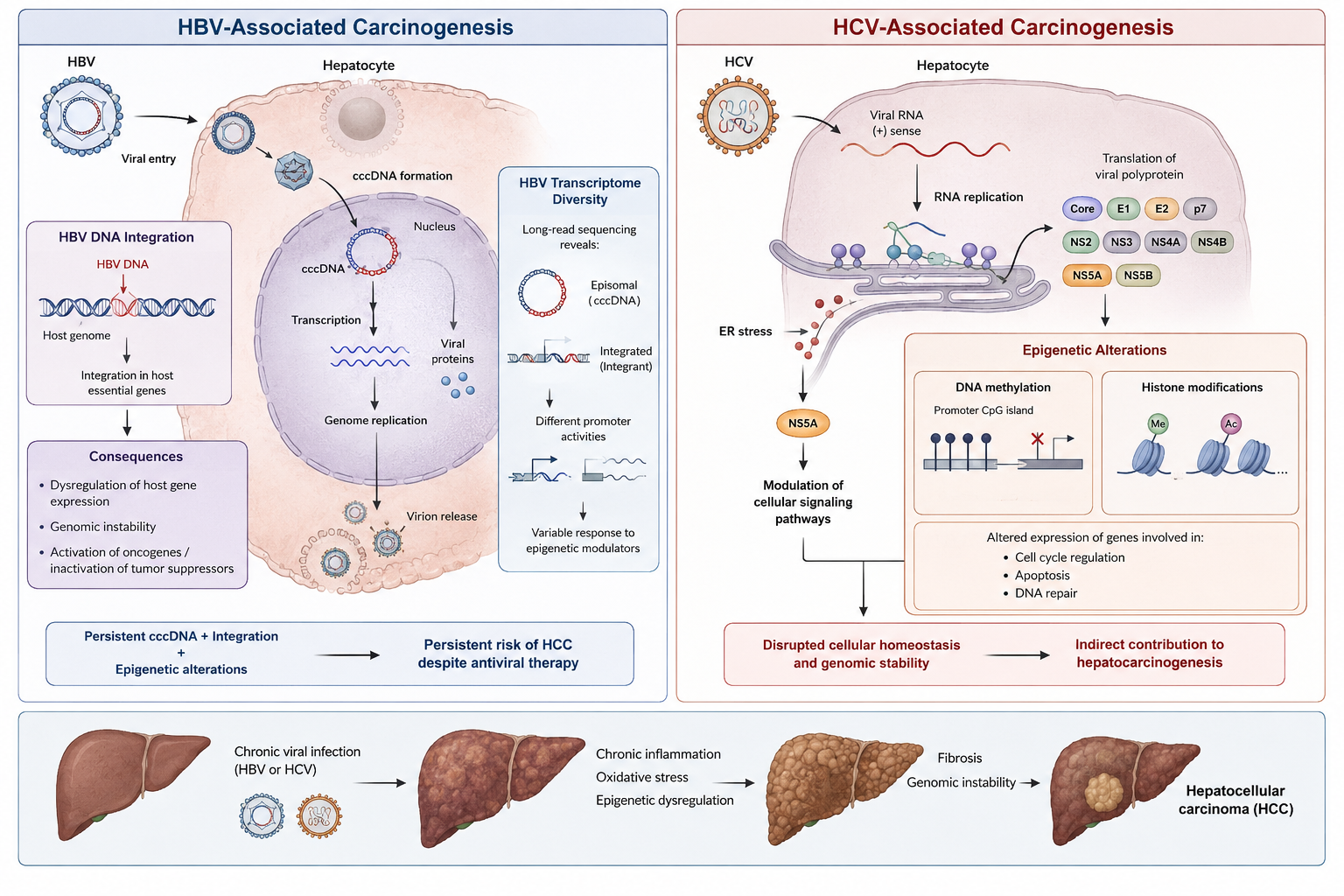 Figure 1. Overview of distinct and converging molecular mechanisms of HBV- and HCV-induced hepatocarcinogenesis, clinical progression to hepatocellular carcinoma (HCC), and current therapeutic perspective.
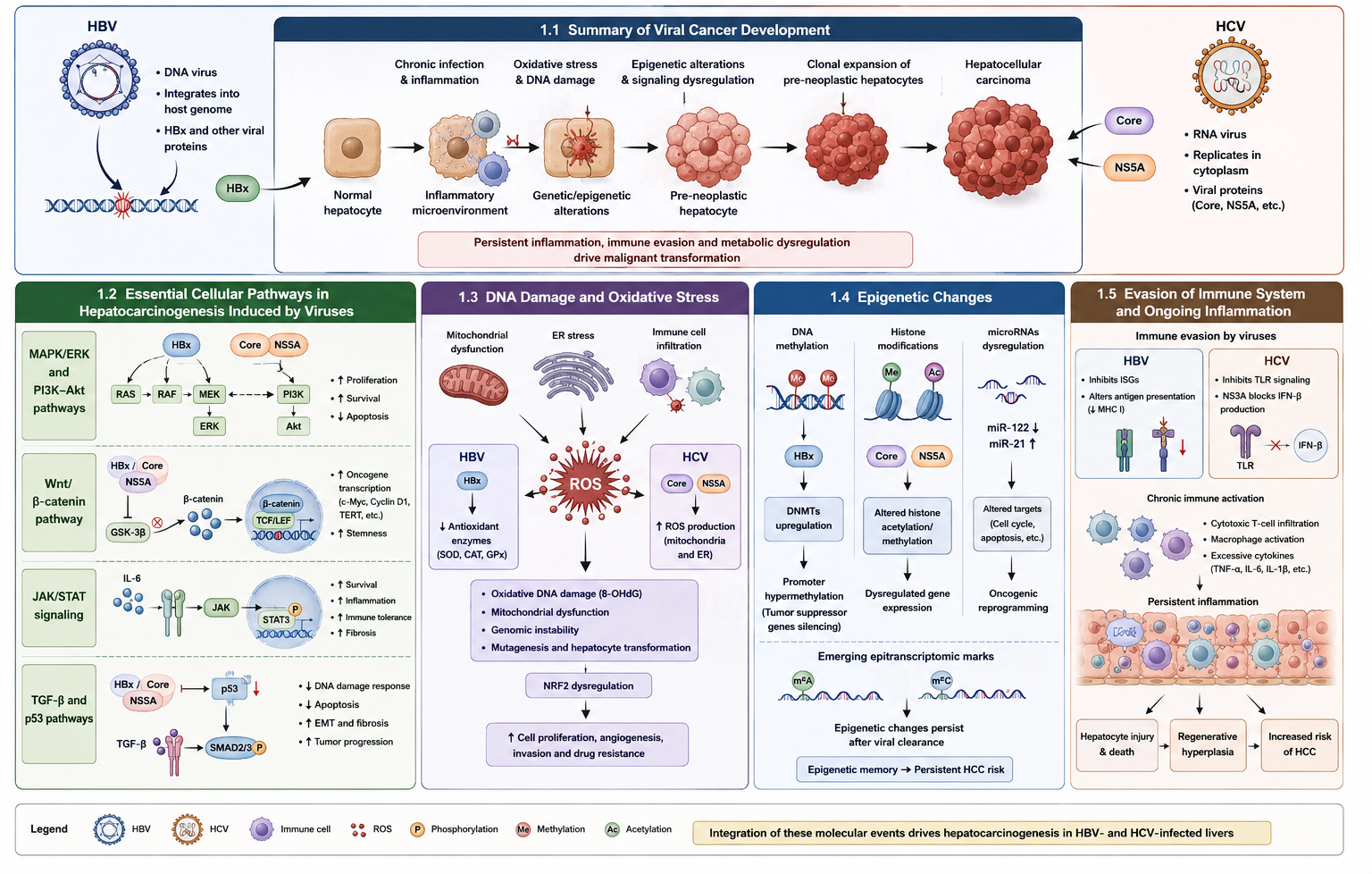 Figure 2. Comparative analysis of viral replication cycles, genomic integration, and epigenetic alterations in Hepatitis B Virus (HBV) versus Hepatitis C Virus (HCV) associated carcinogenesis.
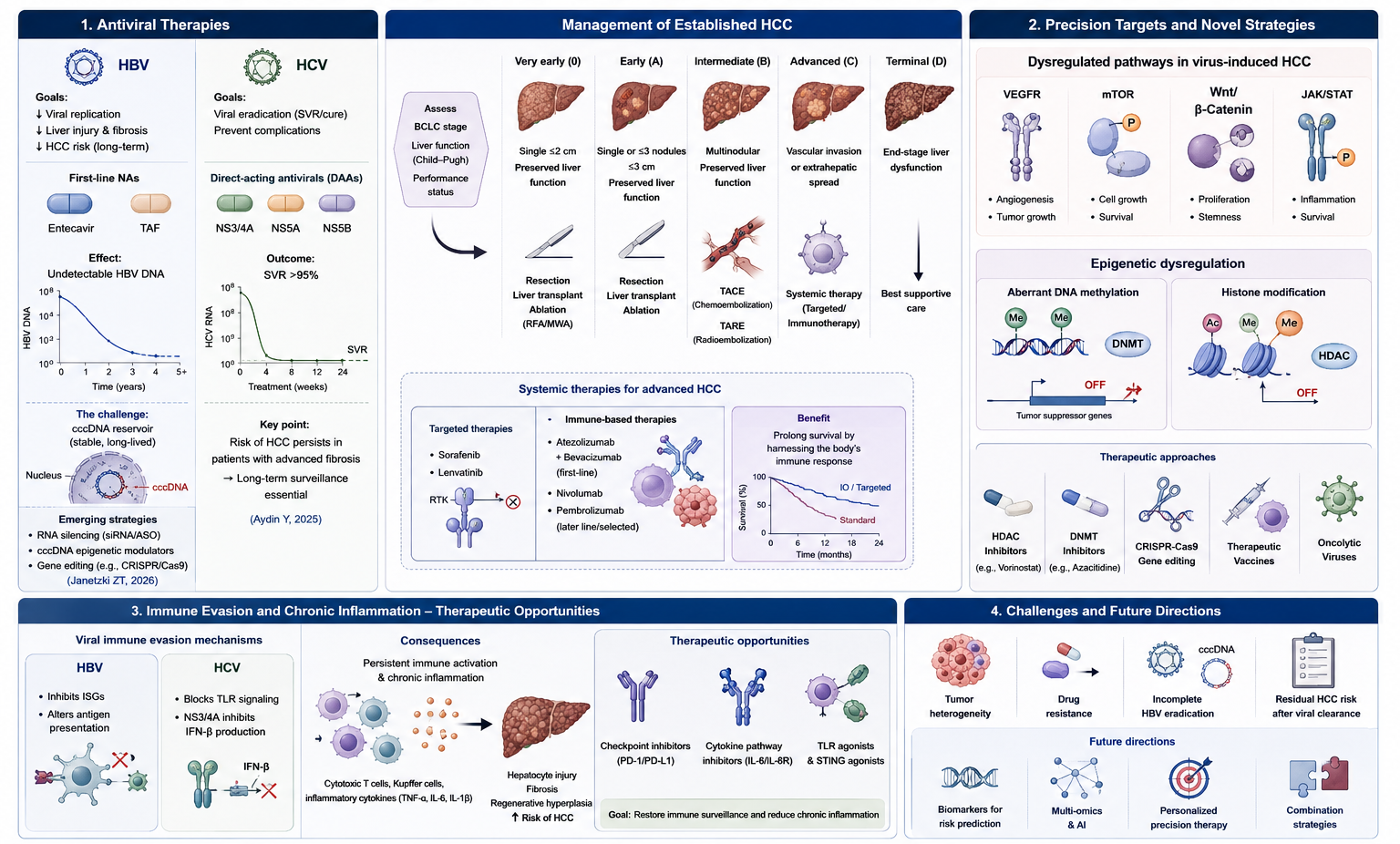 Figure 3. Clinical management of established HCC, precision therapeutic targets, immune evasion mechanisms, and future challenges in viral hepatitis eradication.