Pola-R-CHP versus R-CHOP in newly diagnosed diffuse large B-cell lymphoma: a systematic review of efficacy, safety, and patient selection
Keywords:
Diffuse Large B-Cell Lymphoma, DLBCL, Polatuzumab Vedotin, R-CHOP, Pola-R-CHP, Systematic Review, Frontline TherapyAbstract
Introduction: The combination of polatuzumab vedotin with rituximab, cyclophosphamide, doxorubicin, and prednisone (Pola-R-CHP) has emerged as a potential frontline therapy for diffuse large B-cell lymphoma (DLBCL). This systematic review synthesizes the current evidence comparing the efficacy and safety of Pola-R-CHP versus the standard rituximab, cyclophosphamide, doxorubicin, vincristine, and prednisone (R-CHOP) regimen.
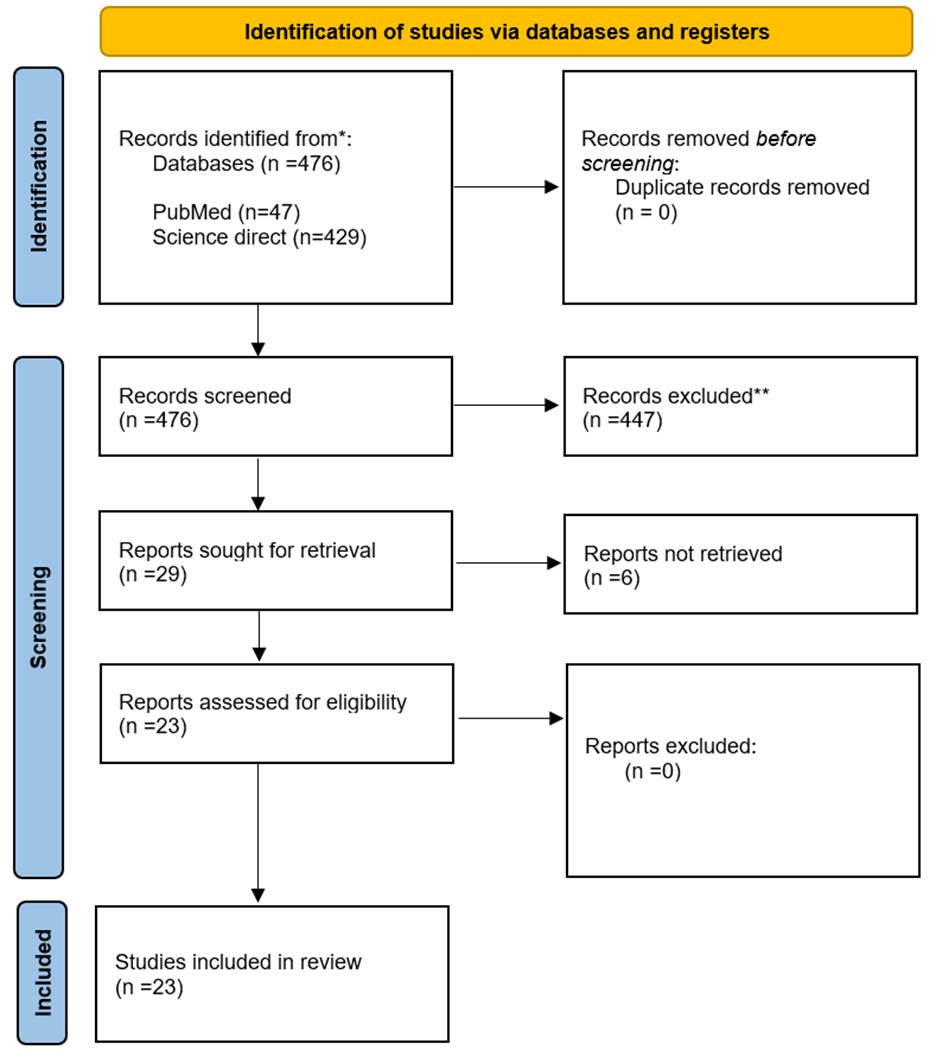
Materials and methods: We systematically searched PubMed and Science Direct from inception to September, 2025 for studies reporting on Pola-R-CHP versus R-CHOP in previously untreated DLBCL. Data on study characteristics, efficacy outcomes, safety, and biomarker analyses were extracted. The risk of bias was assessed using the Cochrane Risk of Bias 2 (RoB 2) tool for randomized trials.
Results: 23 studies were included, comprising the pivotal phase 3 POLARIX trial, its subgroup and long-term follow-up analyses, real-world evidence, and biomarker studies. Pola-R-CHP demonstrated a consistent and significant improvement in progression-free survival (PFS) compared to R-CHOP (hazard ratio (HR) range: 0.64-0.77), with a 5.8% absolute PFS benefit at 5 years. Overall survival (OS) data showed a positive but non-significant trend (5-year HR: 0.85). The benefit was most pronounced in higher-risk patients, including those aged ≥70, with International Prognostic Index (IPI) scores 3-5, and those with activated B-cell (ABC) subtype DLBCL (PFS HR: 0.34). The safety profile was manageable but distinct, with a higher incidence of febrile neutropenia requiring granulocyte colony-stimulating factor (G-CSF) prophylaxis but fewer dose reductions. Patient-reported outcomes indicated no detriment in quality of life.
Conclusion: Pola-R-CHP represents a significant advance in the first-line treatment of DLBCL, offering a superior PFS benefit over R-CHOP with a manageable toxicity profile. Its use is most favorable in higher-risk and biologically defined patient subgroups. Future research should focus on long-term OS and validating predictive biomarkers for precision-based patient selection.
Additional Files
Published
How to Cite
License
Copyright (c) 2026 Moontasir Ahmed, Shadman Newaz, Jannat Ara Tina, Md Hasanuzzaman, Supritom Sarker, Mst Samanta Hoque, Maruf Mustakim Fahim, Afsana Tasnim, Faiyaz Saqif Khan

This work is licensed under a Creative Commons Attribution-NonCommercial 4.0 International License.